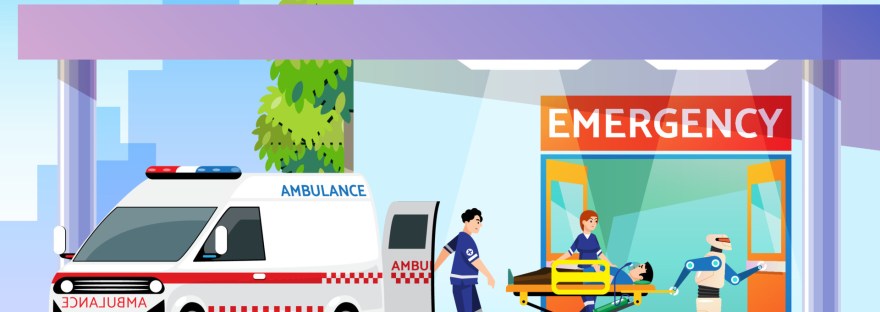
Ambulance services are the backbone of emergency medical care, ensuring that individuals in critical condition receive prompt attention and transportation to hospitals. This is particularly crucial in densely populated urban areas like Delhi, where the need for efficient pre-hospital care is ever-increasing. In this blog post, we will delve into the fascinating world of ambulance technology advancements, focusing on innovations in pre-hospital care, with a specific emphasis on how these innovations are impacting ambulance services in Delhi. As technology continues to evolve, it is essential to explore how it is transforming emergency medical responses and improving patient outcomes.
Telemedicine and Remote Diagnostics
One of the notable advancements in ambulance technology is the integration of telemedicine and remote diagnostics. In Delhi, where traffic congestion is a significant issue, this innovation is a game-changer. Ambulance crews can connect with doctors and specialists in real-time, allowing for remote diagnosis and treatment recommendations. This minimizes the time taken to initiate critical care, which can be the difference between life and death.
GPS and Route Optimization
The traffic situation in Delhi is notorious, and navigating the city swiftly is often a matter of life and death. Ambulance services in Delhi have harnessed GPS technology to optimize routes, ensuring that ambulances reach their destinations as quickly as possible. This technology takes into account traffic conditions, road closures, and alternative routes to guarantee the fastest response times.
Advanced Life Support Equipment
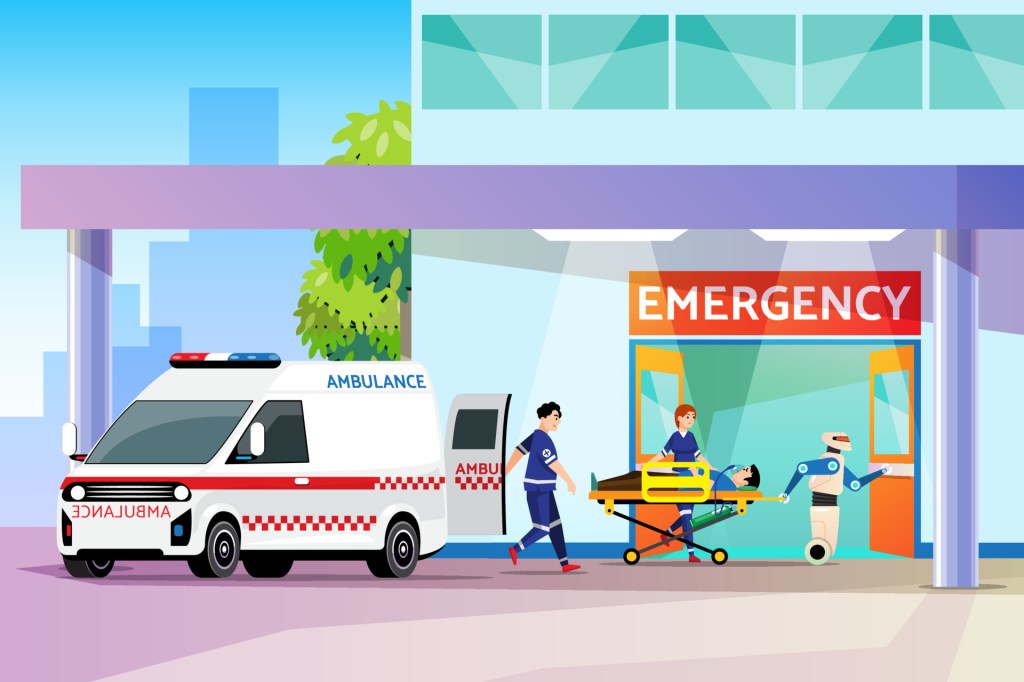
The availability of advanced life support equipment on ambulances in Delhi has significantly improved patient care. From state-of-the-art defibrillators to ventilators and mobile laboratories, ambulances are now equipped to provide critical care services en route to the hospital. This not only stabilizes patients but also reduces the burden on hospital emergency rooms.
Mobile Apps and Emergency Alert Systems
In a city as bustling as Delhi, where every second counts, mobile apps and emergency alert systems play a pivotal role. Citizens can now use apps to request ambulance services quickly. Moreover, these apps often incorporate features like live tracking, estimated arrival times, and real-time communication with paramedics, ensuring transparency and peace of mind for patients and their families.
Drone Ambulances
A futuristic innovation that is starting to make its presence felt in Delhi is the use of drone ambulances. These unmanned aerial vehicles can swiftly reach accident sites or locations with difficult terrain, providing critical care until traditional ambulances arrive. They are particularly useful in densely populated areas where conventional vehicles may struggle to navigate.
Artificial Intelligence and Triage Systems
Artificial intelligence (AI) has found its way into ambulance services, helping with rapid triage and resource allocation. AI systems can assess the severity of a patient’s condition based on available data, prioritizing cases and allocating ambulances accordingly. This not only enhances efficiency but ensures that the most critical cases receive immediate attention.
Data Integration and Electronic Health Records
Data is a powerful tool in healthcare, and the integration of electronic health records (EHR) into ambulance services has been a significant leap forward. In Delhi, EHR systems allow paramedics to access a patient’s medical history and vital information instantly. This not only informs treatment decisions but also reduces the risk of medical errors.
Mobile Blood Banks
In emergency situations such as accidents and disasters, access to blood can be a matter of life and death. Ambulance services in Delhi have incorporated mobile blood banks into their operations. These units carry a supply of blood and can perform on-site blood typing and cross-matching, ensuring that patients receive the right blood type when needed.
Training Simulators for Paramedics
Training is paramount for paramedics, and advancements in technology have led to the development of sophisticated training simulators. In Delhi, paramedics are benefiting from realistic simulators that replicate a wide range of medical scenarios, allowing them to practice and enhance their skills in a safe and controlled environment.
Solar-Powered Ambulances
To combat environmental challenges and ensure that ambulances are operational in regions with irregular power supply, solar-powered ambulances have been introduced in Delhi. These ambulances harness solar energy to power their equipment, making them eco-friendly and reliable in a city that often faces energy shortages.
Conclusion
The evolution of ambulance technology in pre-hospital care is not only fascinating but has the potential to save countless lives, especially in cities like Delhi, where efficient healthcare delivery is essential. The integration of telemedicine, GPS, advanced equipment, mobile apps, drones, AI, EHR systems, and more has ushered in a new era of emergency medical services. These innovations are not only improving response times and patient care but also easing the burden on overburdened hospitals. As technology continues to advance, we can expect further enhancements that will benefit the best ambulance services in Delhi and beyond, ultimately ensuring that critical medical care is accessible to all in need.

 health is wealth