
Anxiety is a pervasive mental health issue that affects millions of people around the world. It can manifest in various forms, from generalized anxiety disorder to social anxiety, panic disorder, and specific phobias. As a clinical psychologist in Delhi, my goal is to shed light on this prevalent issue and provide valuable insights into effective coping strategies for managing anxiety in daily life.
Understanding Anxiety
Before diving into coping strategies, it’s crucial to have a clear understanding of anxiety. Anxiety is a natural response to stress and potential threats, often referred to as the “fight or flight” response. However, when anxiety becomes chronic or excessive, it can interfere with one’s daily life, relationships, and overall well-being.
Types of Anxiety Disorders
Generalized Anxiety Disorder (GAD): GAD involves excessive and persistent worry about various aspects of life, often without a specific trigger.
Social Anxiety Disorder: Individuals with social anxiety fear judgment and negative evaluation in social situations, leading to avoidance of social interactions.
Panic Disorder: Panic attacks are sudden and intense episodes of fear or discomfort, often accompanied by physical symptoms like racing heart and shortness of breath.
Specific Phobias: These involve irrational fears of specific objects or situations, such as heights, spiders, or flying.
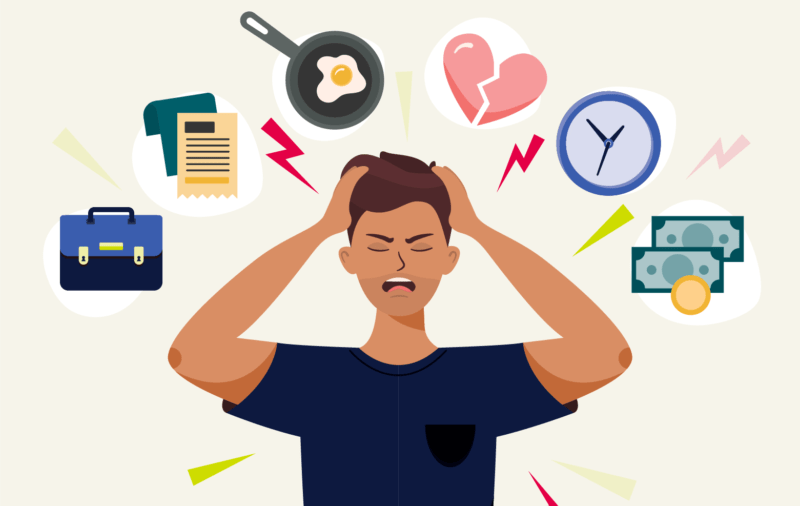
Coping Strategies for Daily Life
As a clinical psychologist in Delhi, I often work with individuals seeking practical ways to cope with anxiety in their daily lives. Here are several evidence-based strategies:
Breathing Exercises: Deep, diaphragmatic breathing techniques can help reduce the physical symptoms of anxiety, promoting relaxation. Encourage slow, controlled breaths during moments of distress.
Mindfulness and Meditation: Mindfulness practices teach individuals to stay present and observe their thoughts without judgment. Regular meditation can rewire the brain’s response to stress.
Cognitive Behavioral Therapy (CBT): CBT is a highly effective therapeutic approach for managing anxiety. It helps individuals identify and challenge irrational thoughts and replace them with healthier beliefs.
Progressive Muscle Relaxation: This technique involves tensing and then relaxing muscle groups to release physical tension and anxiety.
Exercise: Physical activity releases endorphins, which are natural mood lifters. Encourage regular exercise as a way to manage anxiety.
Healthy Lifestyle Choices: Promoting a balanced diet, adequate sleep, and limiting caffeine and alcohol intake can significantly impact anxiety levels.
Social Support: Encourage individuals to lean on their support network—friends, family, or support groups—for emotional help and understanding.
Journaling: Keeping a journal can help individuals identify triggers and patterns in their anxiety and emotions.
Time Management: Teaching time management skills can reduce the stress associated with feeling overwhelmed by tasks and responsibilities.
Exposure Therapy: For specific phobias or social anxiety, gradual exposure to feared situations can help desensitize individuals and reduce their anxiety.
Clinical Psychologist in Delhi: Seeking Professional Help
While self-help strategies can be valuable, it’s essential to emphasize the importance of seeking professional help when necessary. As a clinical psychologist in Delhi, I provide specialized treatments tailored to each individual’s needs.
Individual Therapy: One-on-one therapy sessions can explore the root causes of anxiety and develop personalized coping strategies.
Group Therapy: Group settings can offer a supportive environment for individuals with similar struggles to share experiences and learn from one another.
Medication: In some cases, medication may be prescribed alongside therapy to manage severe anxiety symptoms.
Conclusion
Anxiety is a prevalent mental health issue that affects individuals in Delhi and worldwide. As a clinical psychologist in Delhi, my mission is to raise awareness about anxiety and provide practical coping strategies for daily life. By implementing these strategies and seeking professional help when needed, individuals can regain control over their lives and work towards a happier, healthier future. If you or someone you know is struggling with anxiety, don’t hesitate to reach out to a clinical psychologist in Delhi for support and guidance. Together, we can manage anxiety and improve mental well-being.

 health is wealth