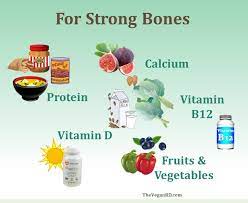
In pursuit of overall health and well-being, we often tend to overlook the importance of bone health. Strong bones are the foundation of a healthy, active lifestyle, and they require proper care and attention. As the best dietician in Rohini, Delhi, I understand that nutrition plays a pivotal role in maintaining and enhancing bone strength. In this comprehensive guide, we will explore the significance of nutrition in bone health, delve into key nutrients, and offer practical tips to ensure that your bones remain strong and resilient.

Understanding Bone Health
Understanding bone health is crucial for maintaining overall well-being. Bones are dynamic structures that serve several essential functions in the body.
- Support: Bones provide structural support to the body, enabling us to stand, walk, and perform daily activities.
- Protection: They protect vital organs, such as the brain, heart, and lungs, from injuries and trauma.
- Mineral Reservoir: Bones act as a reservoir for vital minerals like calcium and phosphorus, releasing them into the bloodstream when needed for various bodily functions.
- Blood Cell Production: The bone marrow, located within certain bones, is responsible for producing red and white blood cells and platelets.
- Hormone Regulation: Bones play a role in regulating hormones, such as osteocalcin, which influences blood sugar regulation and fat metabolism.
Bone health is not static; it involves a continuous process of remodeling. This process includes two main phases: bone resorption (breakdown) and bone formation (building). Specialized cells called osteoclasts break down old or damaged bone tissue, while osteoblasts build new bone. This remodeling process is influenced by various factors, including genetics, hormones, physical activity, and nutrition.
Inadequate nutrition can disrupt this delicate balance, leading to weakened bones and conditions like osteoporosis. Therefore, understanding the role of essential nutrients, such as calcium, vitamin D, and protein, is critical in promoting and maintaining strong bones. By prioritizing bone health through proper nutrition and lifestyle choices, you can reduce the risk of bone-related issues and enjoy a more active and fulfilling life.
Key Nutrients for Strong Bones
Calcium: Calcium is the primary mineral in bones, making up a significant portion of their composition. It is essential for bone development, maintenance, and repair. Sources of calcium include dairy products, leafy greens, almonds, and fortified foods. As the best dietician in Rohini, Delhi, I recommend ensuring an adequate daily intake of calcium.
Vitamin D: Vitamin D is crucial for calcium absorption and bone mineralization. Sunlight is a natural source of vitamin D, but it can also be obtained from fatty fish, fortified foods, and supplements if necessary.
Phosphorus: Phosphorus, like calcium, contributes to bone structure. It can be found in foods like dairy, meat, and whole grains.
Magnesium: Magnesium plays a role in bone density and calcium metabolism. Foods rich in magnesium include nuts, seeds, spinach, and whole grains.
Vitamin K: Vitamin K is involved in bone mineralization and can be sourced from leafy greens, broccoli, and Brussels sprouts.
Protein: Adequate protein intake is essential for collagen formation, which provides the framework for bone mineralization. Lean meats, poultry, fish, and plant-based sources like beans and tofu are good protein options.
Trace Minerals: Trace minerals like zinc, copper, and manganese also contribute to bone health and can be obtained from a balanced diet.
Practical Tips for Maintaining Strong Bones
Now that we’ve identified the key nutrients for strong bones, let’s discuss how to incorporate them into your daily diet and lifestyle as advised by the best dietician in Rohini, Delhi:
Balanced Diet: Consume a well-balanced diet that includes a variety of foods rich in calcium, vitamin D, magnesium, and other essential nutrients for bone health.
Dietary Supplements: In some cases, supplements may be recommended to meet specific nutrient requirements, especially for vitamin D and calcium. Consult with a healthcare professional before taking supplements.
Regular Exercise: Weight-bearing exercises like walking, jogging, and resistance training stimulate bone growth and strengthen bones.
Limit Caffeine and Alcohol: Excessive caffeine and alcohol consumption can interfere with calcium absorption and bone health. Consume them in moderation.
Quit Smoking: Smoking is detrimental to bone health. Seek support to quit smoking if needed.
Bone Density Testing: Consider bone density testing as recommended by your healthcare provider, especially if you have risk factors for osteoporosis or low bone density.
Conclusion
In conclusion, as the best dietician in Delhi, I emphasize that nutrition is a cornerstone of strong bones. By understanding the role of key nutrients, making dietary adjustments, and adopting a bone-friendly lifestyle, you can proactively enhance and maintain your bone health. Remember that a personalized approach to nutrition is essential, so consult with a registered dietitian or healthcare professional to create a tailored plan that suits your unique needs and ensures the longevity of your bone health.

 health is wealth