
Ambulance services in Delhi, like in any other metropolitan area, stand as the critical lifeline of the healthcare system. In a bustling city with a population that continues to surge, the need for rapid and effective emergency medical response cannot be overstated. This article delves into the multifaceted significance of ambulance services in the healthcare landscape of Delhi, highlighting their role in saving lives, reducing mortality rates, and providing timely medical interventions.
Key Role in Emergency Medical Response
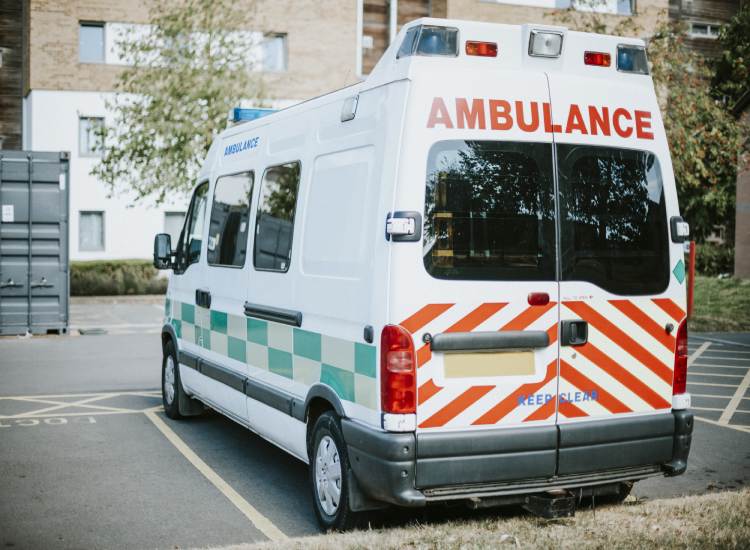
Ambulance services in Delhi are the first responders during medical emergencies, acting as the bridge between the patient’s location and the healthcare facility. The swift response time of these services often makes the difference between life and death. Timely access to advanced medical care, facilitated by well-equipped ambulances and trained paramedics, ensures that patients receive immediate attention even before they reach the hospital.
Reducing Mortality Rates
One of the primary goals of ambulance services in Delhi is to minimize mortality rates by providing timely medical intervention. The congested and chaotic nature of city traffic can pose significant challenges in reaching hospitals quickly. However, the specialized training of ambulance staff and their familiarity with alternative routes help overcome these obstacles, ultimately saving precious minutes in emergency situations. This expeditious response has a direct impact on reducing mortality rates, especially in cases where every second counts.
Advanced Medical Care En Route
Ambulance services in Delhi have evolved beyond mere transport vehicles. They are equipped with state-of-the-art medical equipment and trained personnel capable of providing advanced medical care en route to the hospital. Paramedics can administer life-saving interventions, such as administering medications, defibrillation, and airway management, which can stabilize patients’ conditions before reaching the medical facility. This advanced care not only enhances patient outcomes but also demonstrates the vital link between pre-hospital care and hospital-based treatments.
Traffic Challenges and Innovative Solutions
Delhi’s notorious traffic congestion presents a significant challenge for ambulance services. To address this, several innovative solutions have emerged. Dedicated ambulance lanes, introduced on certain routes, allow ambulances to maneuver through traffic more swiftly. Additionally, GPS technology and real-time traffic updates enable dispatch centers to direct ambulances via the quickest routes, further optimizing response times.
Community Awareness and Education
Educating the public about the appropriate use of ambulance services is crucial. Many people tend to misuse emergency medical services for non-urgent situations, potentially delaying responses for actual emergencies. Community awareness campaigns in Delhi emphasize the importance of calling ambulances for serious medical situations, thereby helping to prioritize critical cases and allocate resources effectively.
Integration with Hospitals and Telemedicine
Ambulance services in Delhi are increasingly being integrated with hospital systems, allowing real-time communication between paramedics and hospital staff. This integration streamlines the transfer of patient information and helps hospitals prepare for incoming cases more effectively. Moreover, the concept of telemedicine is being explored, enabling paramedics to consult with physicians remotely, and enhancing the quality of care provided during transit.
Conclusion
In the ever-evolving landscape of healthcare in Delhi, ambulance services emerge as the frontline responders, playing a pivotal role in ensuring that medical emergencies are met with swift, organized, and life-saving interventions. With technological advancements, innovative solutions to traffic challenges, and a growing emphasis on community education, Ambulance services in Delhi continue to adapt to the city’s unique healthcare demands. Their importance cannot be understated – they are the heartbeat of emergency medical response, relentlessly striving to save lives, one call at a time.

 health is wealth